

Wearables · Samsung
Samsung’s most sensible new smartwatch may also be its least dramatic. That is exactly why the Galaxy Watch9 could be the better buy.
Galaxy Watch9 quietly improves comfort, battery life and performance, while the $700 Ultra2 turns everything up—including the size, durability and expectations.
Smartwatch launches have become predictable. Every year brings another processor, another health score and another promise that an algorithm understands your body better than you do.
Samsung’s new Galaxy Watch9 and Galaxy Watch Ultra2 initially appear to follow that formula.
Look closer, though, and Samsung is making a more useful distinction. The Watch9 focuses on becoming easier to wear every day. The Ultra2 is built for people whose activities genuinely demand more battery, visibility and protection.
One is a health-focused smartwatch for normal life. The other wants to follow you into mountains, trails and open water.
The important question is not which watch is technically better. It is whether the Ultra2’s substantial advantages have any relevance to the way you actually live.
Galaxy Watch9
From $379
The lighter, more comfortable choice for sleep tracking, everyday fitness and regular smartwatch use.
VS
Galaxy Watch Ultra2
$699
The titanium, long-lasting option for trail runners, divers and demanding outdoor users.
The Galaxy Watch9 Is an Upgrade You Feel, Not See
Samsung has not dramatically reinvented its standard smartwatch. The Watch9 retains the familiar circular display inside the company’s cushion-shaped frame.
The more meaningful changes sit closer to your wrist.
At 8.6mm, the new model is thinner than earlier Galaxy Watches. Samsung also redesigned the lug system and introduced a lighter, more flexible band that holds the sensors more securely against the skin.
That improves comfort, but it can also improve the consistency of health readings. A heart-rate sensor cannot collect reliable data if the watch moves excessively during exercise or leaves gaps against the wrist.
Comfort becomes even more important during sleep tracking. The most advanced nighttime health feature is useless if the watch feels annoying enough to remove before bed.
40/44mm
Watch9 case options
390/445mAh
Watch9 batteries
800mAh
Ultra2 battery
5,000 nits
Ultra2 peak brightness
A New Snapdragon Changes More Than the Design
Both watches move to Qualcomm’s Snapdragon Wear Elite platform, a five-core processor produced on a 3nm process.
That technical description matters less than its practical effect: applications should open faster, workout tracking should begin with less delay and the interface should feel more responsive.
Smartwatch processors do not need to deliver desktop-level power. Their real challenge is completing small tasks quickly without wasting battery.
The new chip also supports more efficient background health tracking and improved GPS processing. Those are precisely the improvements a watch needs because it spends most of its life collecting information with the screen turned off.
Battery Life Is Finally Moving in the Right Direction
The 40mm Galaxy Watch9 now has a 390mAh battery, while the 44mm model increases that capacity to 445mAh.
Samsung rates the Watch9 for up to 30 hours with the always-on display enabled. That is better than before, but it still means regular charging rather than genuine multi-day freedom.
The Ultra2 makes a much larger move. Its 800mAh battery is 35% larger than the previous Ultra and rated for up to 60 hours with the always-on display active.
That difference changes how the watch can be used. A weekend hike, overnight sleep tracking or long GPS activity becomes easier when battery anxiety is not constantly sitting in the background.
Samsung still has not escaped the wider Wear OS problem. More functionality, brighter displays and continuous sensors consume energy quickly. Garmin-style battery life remains outside this watch’s natural territory.
Why an 800mAh Battery Matters
Battery capacity is not just about avoiding the charger. It determines whether users can collect uninterrupted health data.
Charging a watch overnight means losing sleep information. Charging before a workout risks beginning the day without a full record of recovery and activity.
A larger battery closes those gaps. For athletes and people who depend on continuous tracking, that can matter more than another software feature.
The Ultra2 Earns Its Name Outdoors
The Galaxy Watch Ultra2 is a large 47mm watch with a shock-resistant titanium case. It weighs 61.5 grams before the band, making it substantially heavier than the standard Watch9.
Samsung has reduced its thickness by 12%, despite installing the significantly larger battery. Softer, lighter bands also make the watch more practical for continuous use.
This is still not a discreet watch. The Ultra2 is designed to look and feel like equipment.
Its display reaches a claimed 5,000 nits, compared with 3,000 nits on the Watch9. Peak numbers do not describe constant brightness, but the extra visibility can make workout data easier to read under direct sunlight.
Trail Run adds elevation data, climbing progress and information about how terrain affects the workout. The watch can also estimate sweat loss and provide hydration guidance during longer sessions.
These are specific improvements for specific users. A person running through a city park may never need them. Someone training across changing elevation could find them genuinely useful.
The Ultra2 Is Now a Serious Diving Watch
Samsung has given the Ultra2 10 ATM water resistance, IP69K protection and EN13319 certification.
EN13319 is a standard designed for diving accessories rather than ordinary consumer water resistance. The watch can automatically track depth, underwater time and water temperature when the user enters the water.
Samsung is also developing a dedicated Ultra2 Diving application with Mares. It is expected to add ascent and descent speed, along with safety-limit information.
That moves the Ultra2 beyond marketing images of people standing near waterfalls. Samsung is building features around activities where durability and reliable information can have practical consequences.
Most buyers will never use them.
That does not make them pointless. It simply makes the Ultra2 a poor value for anyone buying it mainly because it looks more expensive.
Samsung Health Is Becoming More Proactive
Both watches collect continuous data through Samsung’s BioActive sensor and attempt to turn it into simpler health guidance.
The new Vitals feature monitors several signals while you sleep and builds a personal baseline. It can then identify when measurements move outside your normal range.
Heart Health Score combines different cardiovascular signals into a more understandable rating, while Fitness Index considers VO2 max, heart rate, body composition, activity and other measurements.
Samsung also includes Energy Score, sleep coaching, running programs and sleep-apnea risk detection in supported regions.
The direction makes sense. People do not need dozens of disconnected graphs. They need help understanding whether a change is meaningful and what action makes sense next.
These scores should still be treated as wellness guidance rather than medical conclusions. A polished interface does not turn a wrist sensor into a replacement for professional diagnosis.
Gemini Is Useful When You Do Not Touch the Screen
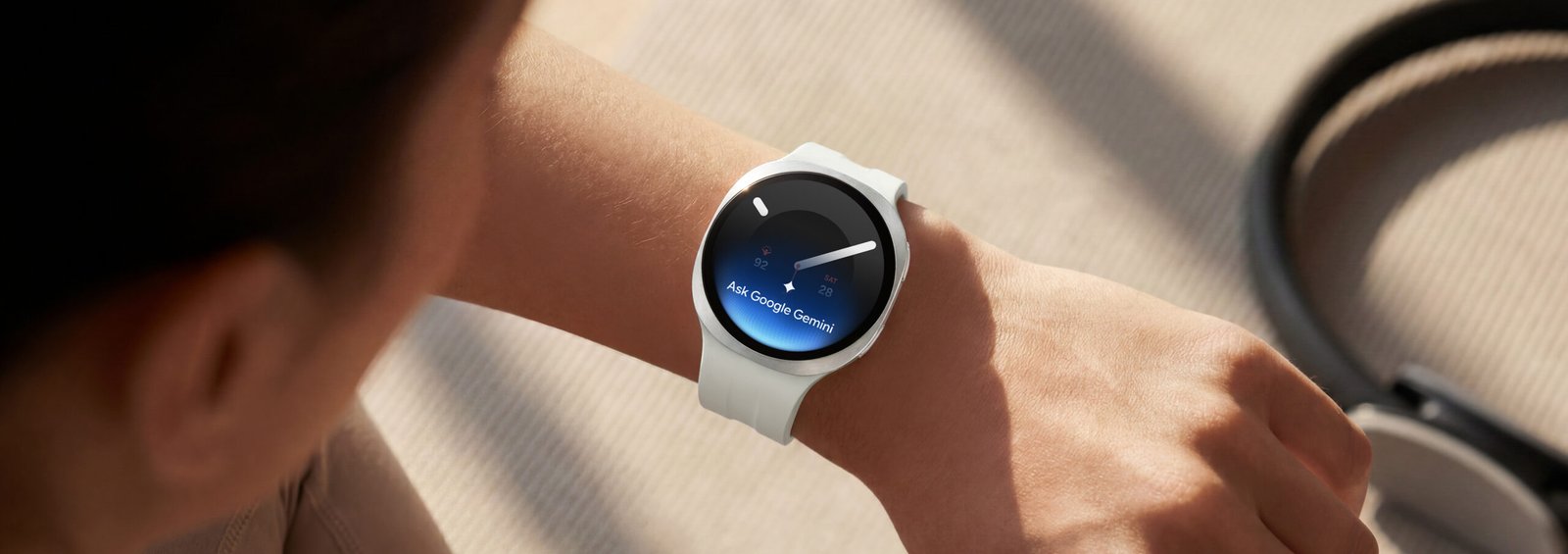
Google Gemini is built into both models and can be activated by raising the wrist, without pressing a button or repeating a wake phrase.
Voice interaction makes more sense on a watch than on almost any other device. The screen is small, typing is awkward and users often check it while walking, cooking or exercising.
Gemini can search for information, create reminders and interact with supported applications. The value depends less on conversational AI and more on how reliably it completes short tasks.
If raising your wrist and speaking is faster than pulling out a phone, the feature has earned its place. If it requires repeated commands and confirmation screens, the novelty will disappear quickly.
Watch9 vs. Ultra2: Which One Should You Buy?
The Galaxy Watch9 is the more intelligent purchase for most people.
It includes the same Snapdragon platform, core health system, Gemini integration and Wear OS application ecosystem. It is lighter, less expensive and easier to wear during sleep.
The Ultra2 justifies its premium through hardware: a much larger battery, titanium construction, brighter display, stronger protection and specialized outdoor tracking.
Those advantages are substantial—but only when used.
What About Apple, Garmin and Google?
Samsung’s closest general smartwatch competition comes from Apple and Google, while Garmin remains stronger for endurance athletes who prioritize battery life and training depth.
Apple Watch remains deeply integrated with the iPhone, but it is not an option for Android users. Samsung’s newer Wear OS watches are similarly incompatible with iPhones.
Google’s Pixel Watch offers a cleaner design and strong Fitbit integration. Samsung counters with more size choices, deeper Galaxy integration and a broader split between everyday and rugged hardware.
Garmin watches can last considerably longer and often provide richer training tools. They generally feel less like miniature smartphones, which can be either an advantage or a limitation depending on what you want.
Real Talk
The Galaxy Watch Ultra2 is the more impressive product. The Galaxy Watch9 is probably the better one to own.
Samsung’s standard watch includes the features most people will use: comfortable sleep tracking, responsive performance, health trends, Gemini and a brighter display.
The Ultra2’s 800mAh battery is a major advantage. Its diving certification, trail tools and titanium body also go beyond superficial “Ultra” branding.
But premium hardware does not create an adventurous lifestyle. If your workouts happen in a gym and your longest outdoor activity is a weekend walk, much of the Ultra2 will remain unused.
Paying more makes sense when the expensive model solves a real limitation. For most buyers, the Watch9 already solves the important ones.
💡 IskraCore Take
Samsung did not need to reinvent its smartwatch. It needed to make the experience more comfortable, faster and less dependent on constant charging.
The Galaxy Watch9 moves in exactly that direction. Its upgrades may look modest in advertising, but a better fit and larger battery improve every hour the watch stays on your wrist.
Ultra2 has a clearer identity than before. It is not simply the expensive Galaxy Watch. Its battery, brightness, protection and diving support serve users who place their equipment under real pressure.
That distinction makes the buying decision refreshingly simple. Choose Watch9 if you want a smartwatch that supports your everyday life. Choose Ultra2 if your everyday life genuinely demands Ultra hardware.
The smartest upgrade is not the watch with the longest specification list. It is the one whose advantages you will still notice after the launch excitement disappears.
Sources: CNET Galaxy Watch9 review, CNET Galaxy Watch Ultra2 test and Samsung’s official specifications.