
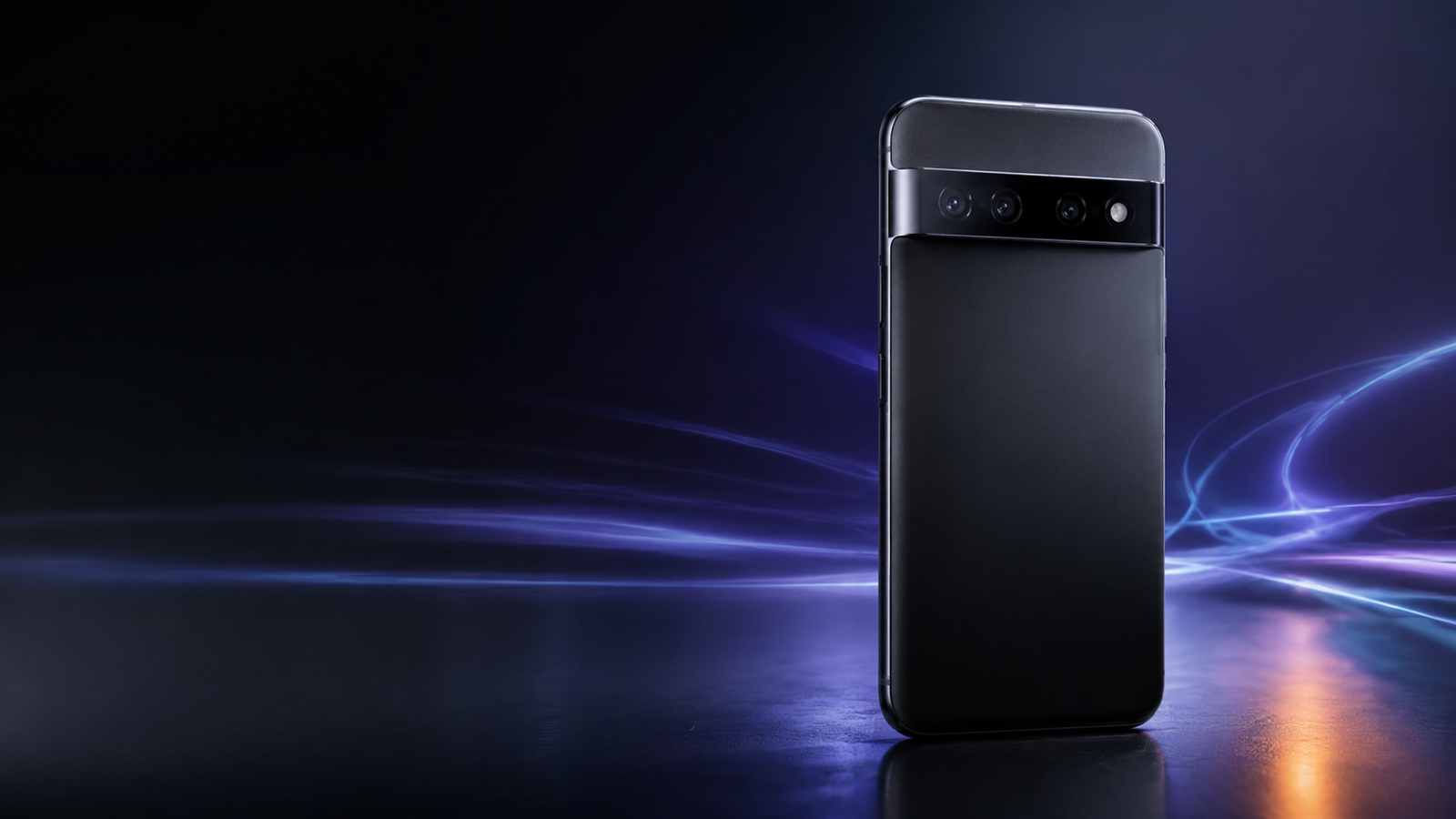

Google’s newest Pixel phones do not look like they are trying to start a design revolution. That may be exactly the point.
The Pixel 11 series arrives with refined hardware, a new Tensor G6 chip and a bigger push for Gemini-powered features. But the more interesting story is not the camera bar, the colours or another list of AI tricks. It is Google trying to make the phone feel less like a screen full of apps—and more like a device that quietly understands what you are doing.
That is an ambitious promise. It is also where the Pixel 11 needs to earn its price.
A Pixel upgrade built around what happens in the background
Google has positioned the Pixel 11 lineup as a more personal kind of smartphone. The new Tensor G6 chip sits at the centre of that pitch, powering faster on-device AI through Gemini Nano alongside the familiar Pixel focus on computational photography and software intelligence.
On paper, this is the normal yearly flagship formula: updated hardware, improved cameras, faster charging and a cleaner version of Google’s own Android experience.
But Pixel phones have never won by throwing the biggest number at every specification sheet. Google’s real advantage has always been the way hardware and software work together. The Pixel 11 is another attempt to push that idea further.
Instead of asking whether the phone has AI, the better question is whether its AI makes everyday tasks feel easier without becoming another layer of noise.
The camera is still important—but it is no longer the whole story
The Pixel brand built its reputation on camera processing: taking a difficult photo and making it look better before you have time to think about editing it.
Google is continuing that approach with upgraded camera hardware and new AI-assisted photo and video features across the Pixel 11 family. The Pro models also receive extra premium touches, including the new HiLight notification system.
That sounds polished. It should. But the smartphone camera race has reached a point where “better photos” is no longer enough on its own.
Samsung, Apple and Xiaomi already make flagship phones that can produce excellent results in the right conditions. Google now has to show that its AI makes shooting, organising and using those photos genuinely better—not simply more automated.
Tensor G6 has a bigger job than being faster
The Tensor G6 is not just there to make benchmark charts look healthier. Google needs it to solve the problem that has followed Tensor-powered Pixels for years: a gap between clever software and the raw performance expectations of an ultra-premium phone.
For most people, a flagship does not feel “fast” because it wins a synthetic test. It feels fast when the camera opens instantly, the battery lasts through a full day, mobile data behaves properly and the phone does not get hot while doing normal things.
That is where the Pixel 11 will be judged after launch-day excitement disappears.
If Tensor G6 delivers smoother Gemini features, stronger efficiency and fewer compromises in everyday use, it will matter far more than any headline performance figure. If it does not, Google risks asking buyers to pay flagship money for a phone that still feels like it is catching up in the basics.
Real Talk: AI only matters when it knows when to stay quiet
Every major phone maker now has an AI story. Most of them sound impressive for the first five minutes.
The hard part is making those features useful on an ordinary Tuesday morning. Can they save time? Can they reduce friction? Can they help without constantly demanding attention, permissions and another subscription?
Google has a stronger starting position than most because Android, Search, Gemini and Pixel hardware already live inside the same ecosystem. That integration could make the Pixel 11 feel unusually coherent.
But integration is not the same as trust. A phone that tries to predict too much, suggest too much or place AI in every empty corner of the interface can become exhausting very quickly.
The best version of the Pixel 11 is not the one that constantly reminds you it is intelligent. It is the one that quietly gets things right.
Who should care—and who should wait
Pixel fans coming from an older phone will likely notice the biggest difference. A move from a Pixel 8 or earlier could bring meaningful gains in camera capability, battery management and on-device AI features.
Owners of a recent Pixel 10 should be more careful. The Pixel 11 looks like a refinement-first generation, not a complete reset. Unless the new AI tools, charging improvements or camera features solve a specific problem for you, there may be little reason to upgrade immediately.
For buyers choosing between Android flagships, the real decision remains simple: buy the Pixel 11 if you value Google’s software, camera processing and AI integration more than maximum gaming performance or hardware customisation.
Buy something else if you want raw power, faster hardware experimentation or a more flexible feature set outside Google’s ecosystem.
IskraCore Take
Google is not trying to make the loudest phone of 2026. It is trying to make the most quietly capable one.
That is a smarter direction than chasing a dramatic redesign every year. The Pixel 11’s promise is not that it will change how a phone looks. It is that it will make the phone feel more useful before you even ask it to.
Still, “more personal” is a phrase that needs proof. Google must show that Tensor G6 and Gemini improve the boring, daily parts of owning a phone: speed, battery, photos, communication and organisation.
If the Pixel 11 gets those fundamentals right, the AI features stop being a presentation gimmick and become a reason to choose it. That is the difference between a phone that sounds futuristic and one people will actually want to keep using.