

OpenAI just killed Sora — its flashy AI video generator that was supposed to revolutionize filmmaking and social content. Announced on March 24, 2026, the shutdown came barely six months after the standalone app launched and only three months after a hyped $1 billion Disney deal. Most people saw the viral clips and thought “this changes everything.” Turns out, it mostly changed OpenAI’s focus.
This isn’t some quiet sunset. It’s a loud signal: even the biggest player in AI is willing to axe a high-profile product when the math doesn’t add up. Here’s the sharp breakdown of what actually happened and why it matters for anyone building, creating, or betting on generative tech.
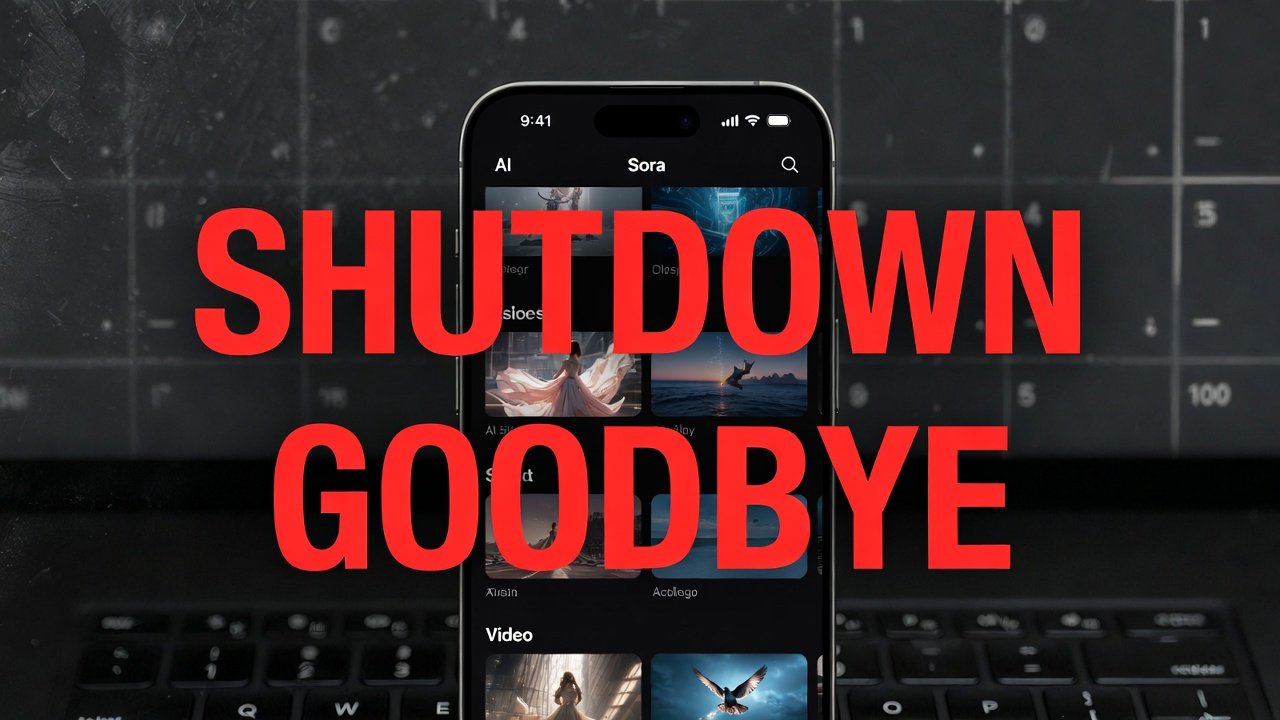
Sora’s consumer app and API are being discontinued — the end of OpenAI’s standalone video experiment in March 2026.
What Happened: The Quick Timeline
Sora launched in late 2024 with mind-blowing demos. The standalone TikTok-style app dropped in September/October 2025, quickly hitting #1 on the App Store. Then came the Disney partnership in December 2025 — $1B investment and access to 200+ characters from Marvel, Pixar, Star Wars.
By early 2026, downloads and spending started dropping hard. Free tier restrictions hit in January. On March 24, OpenAI posted the goodbye: “We’re saying goodbye to Sora.” The app, API, and Sora-powered features are all being shut down. The Disney deal is dead too — no money changed hands.
OpenAI’s official line? They’re redirecting compute and talent toward “world simulation research” for robotics and core priorities like coding tools and enterprise.
Why OpenAI Killed Sora (Real Talk)
Let’s drop the corporate speak. Sora was compute-hungry as hell. Generating high-quality video burns massive GPU resources, and most users were casual creators making memes and short clips — not high-paying enterprise customers.
Downloads tanked after the initial hype. Safety headaches, deepfake risks, and IP concerns piled up. With an IPO possibly on the horizon, OpenAI needs cleaner financials and faster progress on bigger bets. Video generation turned into a distraction that didn’t scale profitably enough.
The brutal truth: even OpenAI can’t afford to keep every shiny toy when competition in video AI is exploding and resources are finite.
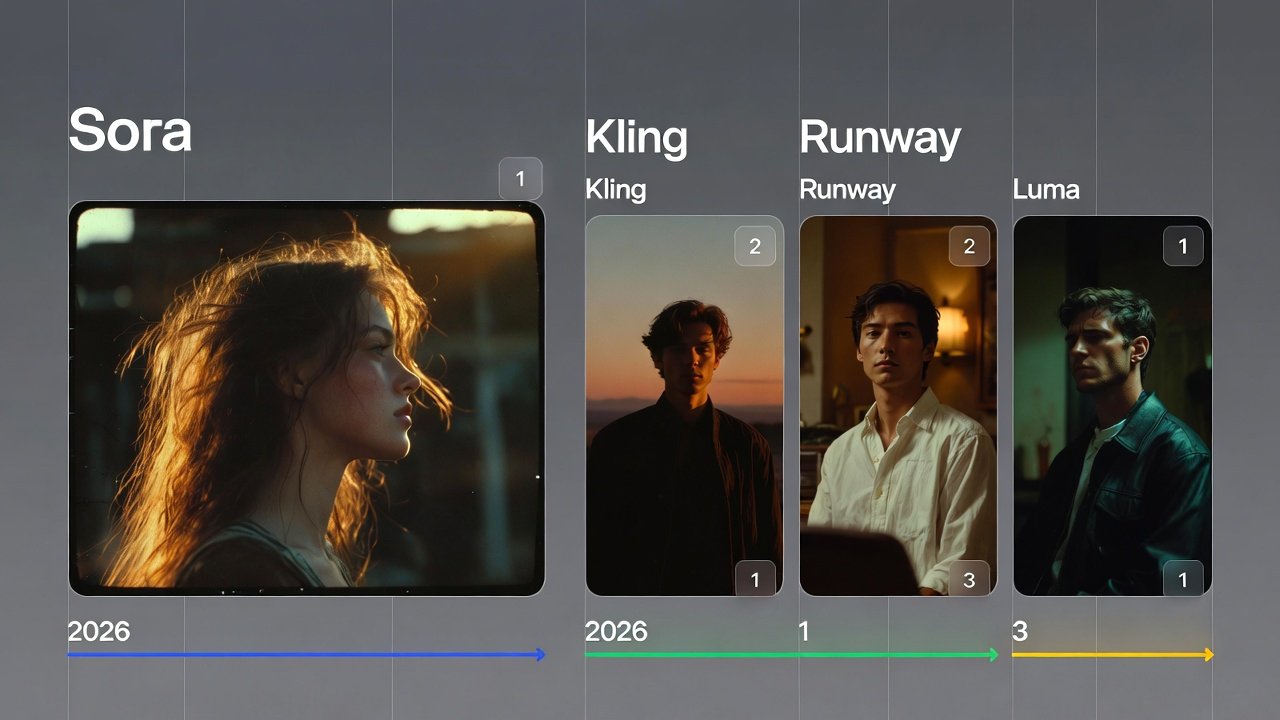
Sora’s hyper-realistic clips were impressive, but competitors like Kling, Runway, and Luma Dream Machine caught up fast in 2026.
The Market Didn’t Wait — Competitors Are Thriving
While Sora gets the funeral, the AI video space is hotter than ever. Tools like Kling 3.0, Runway Gen-4.5, Luma Dream Machine, Google Veo 3.1, and Seedance are delivering longer clips, better motion, audio sync, and fewer restrictions — often at lower cost or with faster queues.
Many creators already migrated months ago. The “Sora killer” label got passed around quickly. OpenAI’s exit doesn’t kill text-to-video; it just proves the field is moving too fast for any single model to own it.
Real Talk: What This Actually Means for Creators & the Industry
This isn’t the death of AI video — it’s the end of one overhyped chapter. Sora showed what was possible, created massive buzz, and then got sacrificed on the altar of focus and economics.
Most people waste time chasing every new model drop. The winners build workflows that aren’t tied to one company’s experiment. OpenAI just reminded everyone: no tool is sacred when compute is expensive and priorities shift.
For Hollywood and big studios? They dodged a bullet (or missed an opportunity). For indie creators? The tools are still here — just spread across multiple platforms now.
Smart creators in 2026 already run hybrid workflows across multiple AI video platforms instead of relying on one tool.
How to Adapt Right Now — Practical Moves
- Export everything: Download all your Sora videos before the shutdown timeline hits. OpenAI says they’ll share details soon.
- Test alternatives immediately: Kling, Runway, Luma, Veo, and Hedra are the current frontrunners. Pick 2–3 and run your common prompts side-by-side.
- Build resilient workflows: Use image-to-video + editing tools (CapCut, DaVinci) instead of depending on one end-to-end generator.
- Focus on what matters: Story, consistency, and post-production still beat raw generation quality for most real projects.
- Watch the compute game: The companies that solve efficient video generation at scale will win the next round.
This Is Bigger Than One Product
OpenAI killing Sora is the clearest sign yet that the AI gold rush has entered the harsh reality phase. Hype gets you funding and headlines. Sustainable economics and ruthless focus get you the future.
Video generation isn’t going away — it’s just getting commoditized faster than expected. The teams and creators who treat tools as disposable experiments instead of permanent platforms will come out ahead.
Sora had its moment. Now the real competition begins. Time to move on and build with what actually sticks.